Egg Powder Production Cost: A Comprehensive Analysis

Egg powder, also known as dried egg, is a versatile product used in various industries, including food production, bakery, pharmaceuticals, and cosmetics. It offers a long shelf life, convenience, and ease of transportation compared to fresh eggs. The egg powder production cost involves the dehydration of liquid eggs, which can be stored and reconstituted when needed. As the global demand for egg powder continues to grow, particularly in regions with limited access to fresh eggs, understanding the production cost of egg powder becomes crucial for manufacturers, suppliers, and end-users.

This article will delve into the various factors that contribute to the cost of producing egg powder. From raw material acquisition and energy consumption to labor, equipment, and transportation, we will provide a detailed analysis of the cost structure associated with egg powder production.


1. Overview of the Egg Powder Production Process

The production of egg powder involves several stages, beginning with the collection of raw eggs and ending with the packaging and distribution of the dried product. The general steps include:

  • Raw Egg Collection and Handling: Eggs are collected from poultry farms and transported to the production facility. Fresh eggs are inspected for quality and then washed and sanitized to ensure they are free of contaminants.
  • Breaking and Separation: In this step, eggs are broken, and the whites and yolks are separated or mixed depending on the type of powder being produced. Some egg powders contain only egg whites, some only yolks, and others include the whole egg.
  • Pasteurization: The liquid egg mixture is pasteurized to destroy any harmful bacteria such as Salmonella. This ensures the safety and longevity of the final product.
  • Dehydration/Drying: The pasteurized liquid egg is then dried using a spray drying process. In this process, the liquid is atomized into fine droplets, which are then exposed to hot air in a spray dryer, causing the moisture to evaporate and leaving behind egg powder.
  • Cooling and Sieving: After drying, the egg powder is cooled to prevent clumping and ensure that the particles remain free-flowing. The powder is then sieved to remove any large particles and ensure uniformity.
  • Packaging and Storage: The final egg powder is packaged in airtight containers to protect it from moisture and contaminants. It can then be stored for an extended period without refrigeration.

Request For Free Sample: https://www.procurementresource.com/production-cost-report-store/egg-powder/request-sample


2. Key Factors Influencing Egg Powder Production Costs

Several factors contribute to the cost of producing egg powder. These include the cost of raw materials, energy consumption, labor, equipment, and packaging. Each of these components plays a critical role in determining the overall cost structure.

a. Raw Material Costs

The primary raw material for egg powder production is, of course, fresh eggs. The cost of eggs can fluctuate based on factors such as feed prices, weather conditions, poultry disease outbreaks, and supply-demand imbalances.

  • Feed Prices: The price of poultry feed is a significant factor in determining the cost of eggs. Feed accounts for a large portion of the cost of raising chickens, so fluctuations in feed prices (often linked to corn and soy prices) can impact egg prices. Higher feed costs typically lead to higher egg prices, which in turn increase the cost of producing egg powder.
  • Egg Quality: High-quality eggs are essential for producing premium egg powder. Eggs that are free of defects such as cracks or contamination are preferred, but they come at a premium price. In regions where egg quality is inconsistent, producers may face additional costs related to sourcing high-quality eggs.
  • Transportation of Eggs: The cost of transporting raw eggs to the production facility also affects the overall cost of production. Eggs must be transported carefully to avoid damage, and cold storage may be necessary to preserve freshness during transport, adding to logistics costs.

b. Energy Consumption

The process of dehydrating eggs requires significant energy input, particularly during pasteurization and spray drying. Energy costs vary depending on the region, the source of energy, and the efficiency of the equipment used in the production process.

  • Spray Drying: Spray drying is an energy-intensive process that requires heating air to evaporate moisture from the liquid egg mixture. The energy required for this step is a significant contributor to production costs. Facilities that can improve energy efficiency through advanced technology or renewable energy sources may be able to reduce production costs.
  • Electricity Costs: In addition to heat, electricity is needed to power machinery such as egg breaking machines, mixers, and conveyors. The price of electricity can vary depending on the location of the facility and the energy policies in the region.

c. Labor Costs

Labor is another key factor in the cost of egg powder production. Labor costs depend on the size of the facility, the level of automation, and the wage rates in the country where production takes place.

  • Skilled Labor: Skilled workers are needed to operate and maintain equipment, ensure quality control, and manage the various stages of production. In regions with higher labor costs, this can be a significant portion of the overall cost structure.
  • Automation: The level of automation in the production facility can affect labor costs. Highly automated facilities may require fewer workers, but the cost of investing in automation technology can be substantial. However, the long-term benefits of automation often include reduced labor costs and improved efficiency.

d. Equipment and Maintenance

The cost of purchasing, maintaining, and upgrading production equipment also contributes to the overall cost of producing egg powder.

  • Egg Processing Equipment: Equipment such as egg breakers, separators, pasteurizers, and spray dryers represent significant capital investments for egg powder production facilities. The cost of this equipment varies depending on its capacity, efficiency, and the level of technology it incorporates.
  • Maintenance and Repairs: Equipment used in egg powder production must be regularly maintained to prevent breakdowns and ensure that it operates efficiently. Maintenance costs include routine inspections, part replacements, and labor for repairs. The more advanced the equipment, the more expensive maintenance can be, though it often leads to greater long-term savings.

e. Packaging and Storage

Packaging plays a critical role in preserving the quality and shelf life of egg powder. Proper packaging prevents moisture from entering the product and ensures that it remains free of contaminants.

  • Packaging Materials: Egg powder is typically packaged in airtight containers, such as metal cans or plastic pouches, to ensure long shelf life. The cost of these materials depends on the size of the packaging, the material used, and the quality of the packaging.
  • Storage Requirements: Egg powder must be stored in a cool, dry environment to prevent spoilage. The cost of storage varies depending on the climate and location of the production facility. Facilities in hot or humid regions may need to invest in climate-controlled storage systems, which can add to production costs.

f. Transportation and Distribution

Once the egg powder is produced, it must be transported to distribution centers or end-users. The cost of transportation depends on the distance to the market, the method of transportation (air, sea, or land), and fuel prices.

  • Domestic and International Shipping: For facilities located near major food production hubs, transportation costs may be relatively low. However, for facilities in remote regions, transportation can represent a significant portion of the overall cost.
  • Export Markets: Egg powder is often exported to countries where fresh eggs are less available. Exporting involves additional costs, including tariffs, customs fees, and international shipping, which must be factored into the production cost.

3. Environmental and Regulatory Considerations

Egg powder production is subject to various environmental regulations, particularly concerning energy usage, waste management, and emissions. Compliance with these regulations can add to production costs.

a. Waste Management

Egg powder production generates waste, including eggshells, liquid waste, and emissions from spray dryers. Proper disposal of this waste is essential to prevent environmental contamination and meet regulatory requirements.

  • Eggshell Disposal: Eggshells are a byproduct of egg powder production and must be disposed of or recycled in an environmentally friendly manner. Some producers use eggshells as a source of calcium in animal feed or fertilizer, but the process of collecting and processing the shells adds to the overall cost.
  • Effluent Treatment: Liquid waste from egg washing and pasteurization must be treated before it can be released into the environment. The cost of effluent treatment systems and their ongoing operation adds to the production cost.

b. Emissions and Energy Efficiency

Facilities that produce egg powder are often required to meet energy efficiency standards and limit their emissions, particularly if they use fossil fuels for energy. This may require investment in cleaner technologies or carbon offset programs.

  • Emission Controls: Facilities may need to install equipment to reduce emissions from spray dryers and other energy-intensive processes. This equipment can be expensive to install and maintain but is necessary to comply with environmental regulations.

4. Future Outlook for Egg Powder Production Costs

The global demand for egg powder is expected to grow, particularly in regions with limited access to fresh eggs and in industries such as food manufacturing and cosmetics. As demand increases, producers may face challenges related to fluctuating raw material costs, labor shortages, and energy prices.

  • Sustainable Production: The trend toward sustainable food production is likely to impact the egg powder industry. Producers may need to invest in more energy-efficient equipment and reduce waste to meet the demands of environmentally conscious consumers.
  • Technological Advancements: Advances in egg processing technology, such as improved drying methods or automated packaging systems, may help reduce production costs and improve efficiency.

Contact Us:

Company Name: Procurement Resource

Contact Person: Leo Frank

Email: sales@procurementresource.com

Toll-Free Number: USA & Canada — Phone no: +1 307 363 1045 | UK — Phone no: +44 7537 132103 | Asia-Pacific (APAC) — Phone no: +91 1203185500

Address: 30 North Gould Street, Sheridan, WY 82801, USA
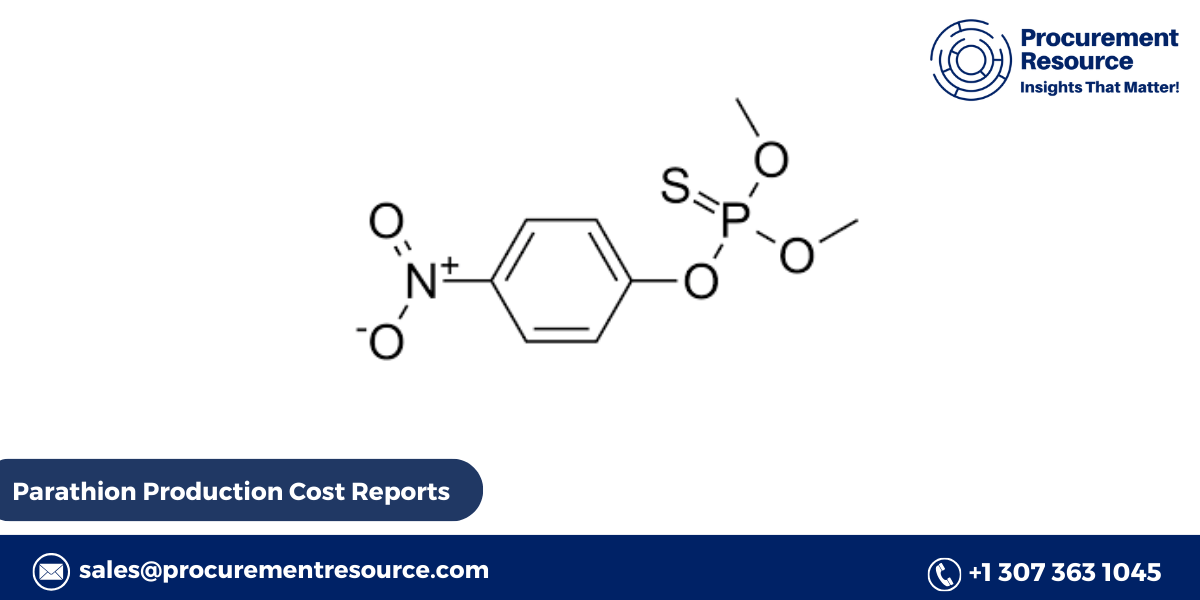
Parathion Production Cost Report: A Comprehensive Overview

Parathion, a highly toxic organophosphate pesticide, has been widely used in agricultural settings for controlling pests on crops like fruits, cotton, and vegetables. Despite its efficacy, its hazardous nature has led to strict regulations regarding its use and production across the globe. Understanding the production cost of parathion is crucial for companies and industries involved in pesticide manufacturing. This report delves into the process of parathion production, examining the cost factors, raw materials, and manufacturing complexities that play a pivotal role in the overall expense.

Production Process

The production of parathion involves a multi-step chemical process that requires precise handling due to its toxic nature. Parathion is synthesized primarily through the reaction of diethyl dithiophosphoric acid with p-nitrophenol. This reaction creates O,O-Diethyl O-(4-nitrophenyl) phosphorothioate, commonly known as parathion.

Request For Sample: https://www.procurementresource.com/production-cost-report-store/parathion/request-sample

Key stages of the production process include:

  1. Preparation of Raw Materials: The process starts with the preparation of key raw materials, such as diethyl phosphorochloridothioate and p-nitrophenol. These materials are purified and tested for quality before being used in the reaction.
  2. Chemical Synthesis: In a reactor, diethyl phosphorochloridothioate reacts with p-nitrophenol under controlled conditions to yield parathion. The reaction typically occurs in the presence of an acid catalyst to promote synthesis and ensure a high yield of the product.
  3. Purification: After the reaction, the crude parathion product undergoes purification processes such as distillation and filtration. This ensures the removal of impurities and unreacted raw materials.
  4. Quality Control and Testing: The final product is tested for quality control to meet safety standards and regulatory requirements. Given the toxicity of parathion, rigorous testing is essential before the product is packaged for distribution.

The overall process is complex and requires careful management of raw materials, safety protocols, and equipment, contributing to the overall production cost.

Manufacturing Report and Process

The manufacturing of parathion is highly regulated due to the compound’s toxicity and environmental impact. This necessitates specialized equipment, safety measures, and trained personnel to handle its production safely. The following factors impact the cost of the manufacturing process:

  1. Specialized Equipment: Parathion production requires the use of reactors, distillation columns, and filtration systems that can withstand the corrosive nature of the chemicals involved. The cost of maintaining and updating this equipment is a significant component of production costs.
  2. Safety and Environmental Controls: Given the hazardous nature of parathion, safety measures are crucial. This includes the installation of protective equipment, ventilation systems, and emergency protocols. Additionally, manufacturers must adhere to stringent environmental regulations, including the safe disposal of waste products, further increasing operational costs.
  3. Energy and Labor Costs: The chemical synthesis of parathion is energy-intensive. Factories require a steady energy supply to maintain the necessary temperatures and pressure conditions during the production process. Moreover, skilled labor is essential to ensure the process is handled safely, which adds to the labor costs.
  4. Compliance and Regulatory Costs: Manufacturers must comply with various international, national, and local regulations regarding the production and sale of parathion. These regulations often require extensive documentation, certifications, and regular inspections, all of which contribute to the cost of production.

The entire manufacturing process must be optimized to balance efficiency and safety while minimizing environmental impact and adhering to legal standards.

Raw Material Costs

The cost of raw materials is one of the most significant contributors to the overall cost of producing parathion. The primary raw materials used in the production of parathion include:

  1. Diethyl Phosphorochloridothioate: This organophosphate compound is a critical ingredient in parathion synthesis. The cost of sourcing, storing, and handling this material can fluctuate based on market demand and supply chain factors.
  2. p-Nitrophenol: Another essential raw material, p-nitrophenol, is often sourced from suppliers that specialize in high-purity chemicals. The price of p-nitrophenol may vary based on purity levels, availability, and transportation costs.
  3. Catalysts and Additives: To speed up the chemical reaction and improve yields, catalysts are used during production. These catalysts are typically expensive and need to be replenished regularly, adding to the overall production cost.
  4. Solvents and Purification Agents: Solvents such as ethanol or acetone are used to purify and process parathion during manufacturing. These solvents are consumed in large quantities and must be regularly replaced, impacting the cost.
  5. Energy and Utilities: The energy required to run reactors, purification systems, and other equipment is a significant cost component. Energy prices can fluctuate depending on the region and energy source, adding to production unpredictability.

Any fluctuation in the prices of these raw materials directly impacts the cost of parathion production, making it essential for manufacturers to monitor market trends and secure stable suppliers.

Latest News

The production and use of parathion have faced increasing scrutiny in recent years due to its environmental impact and toxic effects on human health. Regulatory bodies worldwide, such as the United States Environmental Protection Agency (EPA) and the European Union, have either banned or restricted the use of parathion, pushing manufacturers to explore safer alternatives or improve production processes to meet modern safety standards.

  1. Shift Towards Safer Alternatives: In response to growing environmental and health concerns, some manufacturers are focusing on developing less toxic alternatives to parathion. This shift has also resulted in increased research and development costs for companies attempting to innovate within the pesticide industry.
  2. Regulatory Changes: Several countries have introduced new regulations that limit or completely ban the production and sale of parathion. In regions where parathion production is still permitted, manufacturers must adhere to stricter guidelines, increasing the cost of compliance.
  3. Environmental Impact Initiatives: There has been a growing focus on reducing the environmental impact of pesticide production, including parathion. This has led to the adoption of more sustainable production practices, such as the reduction of waste by-products, eco-friendly disposal methods, and recycling of solvents and catalysts.
  4. Global Supply Chain Challenges: The recent global supply chain disruptions have impacted the availability of raw materials used in the production of parathion. Manufacturers are now exploring local suppliers to reduce dependency on international markets, which may lead to cost variations.

Contact Us:
Company Name: Procurement Resource
Contact Person: Endru Smith
Email: sales@procurementresource.com
Toll-Free Number: USA & Canada - Phone no: +1 307 363 1045 | UK - Phone no: +44 7537 132103 | Asia-Pacific (APAC) - Phone no: +91 1203185500
Address: 30 North Gould Street, Sheridan, WY 82801, USA
Website: https://www.procurementresource.com/

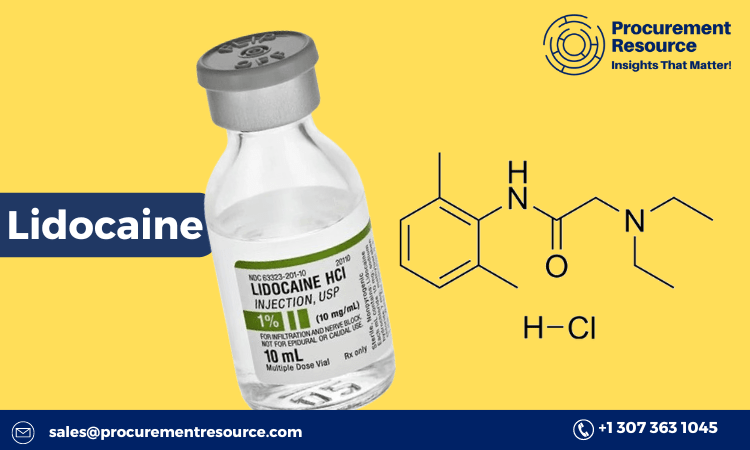
Production Cost of Lidocaine: An In-Depth Analysis

Lidocaine is one of the essential amino acids, critical for muscle protein synthesis and recovery. It is widely used in dietary supplements, sports nutrition products, and even in pharmaceutical applications. The Production Cost of Lidocaine is influenced by several factors, including raw material costs, production methods, labor, energy consumption, and regulatory requirements. Understanding these costs is crucial for companies involved in the manufacture of leucine to optimize production, maintain profitability, and remain competitive.

1. Overview of Lidocaine Production

Leucine can be produced through various methods, each with its own set of cost implications. The most common methods include:

  • Fermentation: This process involves using microbial fermentation to produce leucine. It is widely used due to its efficiency in producing large quantities of leucine. In this method, genetically modified microorganisms, usually bacteria or yeast, are cultured in a fermentation medium where they convert sugars into leucine.
  • Protein Hydrolysis: Another method involves extracting leucine from protein-rich materials such as soy or casein. The proteins are hydrolyzed (broken down) using enzymes or acids to release amino acids, including leucine.
  • Chemical Synthesis: This is a less common method, mainly due to the complexity and higher cost of chemical reactions involved in producing leucine.

Request For Free Sample: https://www.procurementresource.com/production-cost-report-store/lidocaine/request-sample

2. Key Factors Influencing Lidocaine Production Costs

Several factors directly affect the cost of Lidocaine production, from raw materials to energy consumption and labor. These elements are critical in determining the overall production expense and the pricing of leucine in the market.

a. Raw Material Costs

Raw materials represent one of the most significant contributors to the overall production cost of leucine. The type of raw material used in the production process varies depending on the method chosen. In fermentation, the most common raw materials include:

  • Glucose or Sucrose: These are the primary carbon sources fed to microorganisms in the fermentation process. The cost of glucose or sucrose depends on agricultural commodity prices, which can fluctuate based on factors like crop yields, energy prices, and global trade policies.
  • Nutrients for Microbial Growth: Besides the carbon source, microorganisms require various nutrients such as nitrogen, phosphates, and trace elements. The cost of these nutrients is influenced by the global demand for chemicals, agricultural inputs, and energy prices.

For leucine produced through protein hydrolysis, the raw materials used are typically proteins derived from soy or dairy. The cost of these protein sources can vary depending on market demand, agricultural conditions, and regional availability. Soy and dairy prices are influenced by broader food and agriculture markets, which can make this method more expensive or more economical depending on current trends.

b. Energy Consumption

Energy is a crucial component of the leucine production process, particularly in fermentation and protein hydrolysis. The production process requires significant energy inputs to maintain controlled conditions in the bioreactors or hydrolysis tanks.

  • Fermentation Process: The fermentation process requires constant monitoring of temperature, aeration, and agitation. These factors ensure optimal growth conditions for the microorganisms producing leucine. Energy costs, including electricity and heat, represent a large portion of the operational expenses. Regions with access to cheaper energy sources, such as hydropower or natural gas, tend to have lower production costs.
  • Hydrolysis Process: In protein hydrolysis, energy is used to control the temperature and maintain the reaction conditions. In some cases, hydrolysis may involve using acids or enzymes, which also consume energy for optimal temperature regulation. Additionally, drying and purification of the hydrolyzed product are energy-intensive steps that add to the overall production cost.

c. Labor and Operational Costs

Labor is another important cost driver in leucine production. Depending on the production method, the complexity of the operation, and the location of the production facility, labor costs can vary significantly.

  • Fermentation: Fermentation facilities require skilled workers to monitor the fermentation process, manage bioreactors, and perform quality control tests. This includes microbiologists, process engineers, and technicians who ensure that the fermentation process is efficient and yields high-quality leucine. The cost of labor is typically higher in developed regions, which can increase overall production costs.
  • Hydrolysis: For hydrolysis-based production, labor is required to handle the hydrolysis process, purification, and drying stages. Although less labor-intensive than fermentation, this method still requires experienced operators to manage the process efficiently.

d. Equipment and Maintenance Costs

Producing leucine requires sophisticated equipment, including bioreactors, centrifuges, and filtration systems. The cost of purchasing, installing, and maintaining this equipment represents a substantial portion of the overall production expense.

  • Fermentation Equipment: In fermentation-based leucine production, bioreactors are essential for cultivating the microorganisms responsible for producing leucine. The cost of bioreactors can vary depending on the size and capacity of the facility. In addition to bioreactors, centrifuges and filtration systems are used to separate leucine from the fermentation broth. Regular maintenance of this equipment is essential to ensure continuous operation and prevent costly breakdowns.
  • Hydrolysis Equipment: For protein hydrolysis, tanks, enzyme reactors, and filtration systems are needed to process the raw protein into leucine. The cost of maintaining these systems is similar to fermentation, with regular cleaning and calibration required to maintain efficiency.

e. Water and Waste Management

Water is essential in leucine production, particularly for fermentation processes. Water is used in cooling systems, cleaning equipment, and as part of the fermentation medium. Wastewater generated during production must be treated and disposed of in compliance with environmental regulations, which adds to operational costs.

Waste management is particularly important in fermentation-based leucine production, as the fermentation broth may contain residual biomass, byproducts, and other contaminants. Treating and disposing of this waste can be costly, depending on local regulations and the complexity of the treatment process.

f. Regulatory and Quality Control Costs

Leucine is used in the pharmaceutical, food, and dietary supplement industries, which are subject to strict regulatory oversight. Compliance with these regulations is essential to ensure the safety and quality of leucine products. Regulatory costs include certification, inspections, and testing.

  • Good Manufacturing Practices (GMP): Facilities that produce leucine for use in pharmaceuticals and supplements must adhere to GMP standards. This requires regular audits, documentation, and certification, all of which add to the overall production cost.
  • Quality Control: Ensuring that leucine meets industry standards for purity, potency, and safety requires extensive quality control testing. This includes testing raw materials, monitoring the production process, and conducting final product testing. Quality control measures ensure that the leucine produced is free from contaminants and meets the required specifications.

g. Transportation and Logistics

After production, leucine must be transported to manufacturers or distributors for use in various products. Transportation costs can vary depending on the distance to markets, the volume of leucine produced, and the transportation method used.

  • Domestic Transportation: For production facilities located close to major manufacturing hubs, transportation costs may be relatively low. However, facilities in remote regions or those requiring international shipping may face higher logistics costs due to fuel prices, tariffs, and customs regulations.
  • Packaging: The cost of packaging leucine for transport also contributes to the overall production cost. Leucine must be stored in airtight, moisture-proof containers to preserve its quality during transit.

h. Environmental and Sustainability Considerations

As sustainability becomes an increasingly important factor in manufacturing, the environmental impact of leucine production is gaining more attention. Companies may choose to invest in more sustainable production practices, which can add to costs but provide long-term benefits in terms of environmental compliance and market demand.

  • Waste Minimization: Reducing waste in the fermentation process, recycling water, and using renewable energy sources can help lower the environmental footprint of Lidocaine production. However, these initiatives often come with upfront costs that must be factored into the overall production budget.

Contact Us:

Company Name: Procurement Resource

Contact Person: Leo Frank

Email: sales@procurementresource.com

Toll-Free Number: USA & Canada — Phone no: +1 307 363 1045 | UK — Phone no: +44 7537 132103 | Asia-Pacific (APAC) — Phone no: +91 1203185500

Address: 30 North Gould Street, Sheridan, WY 82801, USA
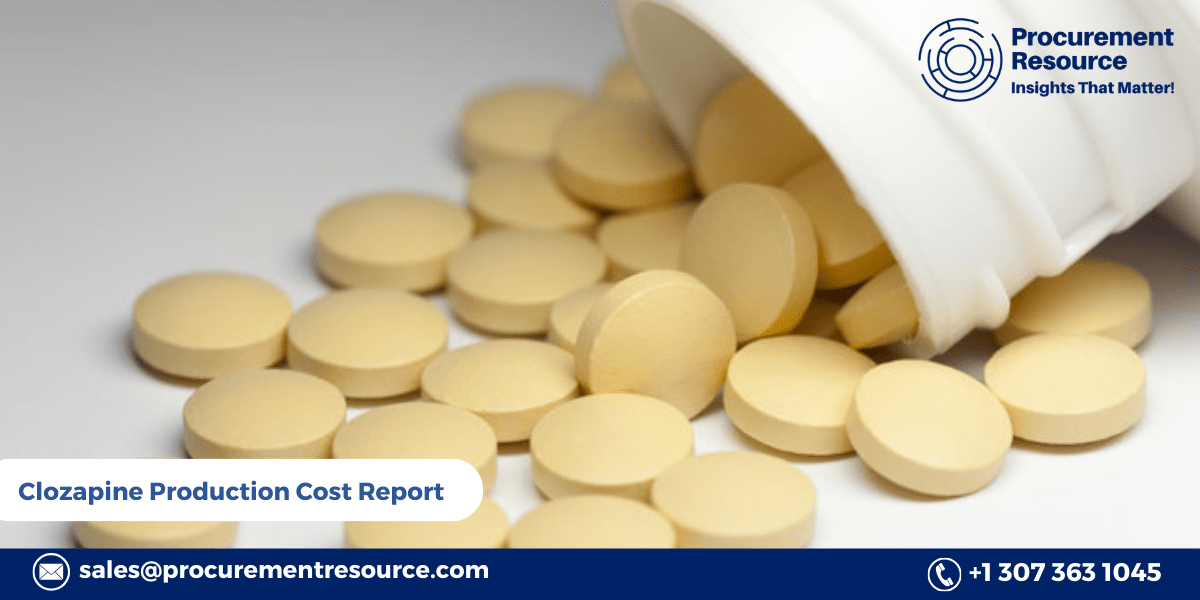
Clozapine Production Cost Report: A Detailed Analysis

Clozapine, an atypical antipsychotic medication, is widely used in the treatment of schizophrenia and other severe mental health conditions. As the demand for this life-changing drug continues to grow, so does the need to understand the production cost dynamics involved in its manufacturing. The cost of producing clozapine is influenced by several factors, including the cost of raw materials, the production process, and external market variables. In this report, we will provide a comprehensive analysis of the production cost of clozapine, focusing on its manufacturing process, raw materials, and the latest updates in the industry.

Production Process

The production process of clozapine is complex, involving several steps to ensure the safety, purity, and efficacy of the final product. Clozapine is typically synthesized through a multi-step chemical process that requires precise control and adherence to strict pharmaceutical guidelines. Below is an outline of the main stages involved in the production of clozapine:

Request For Sample: https://www.procurementresource.com/production-cost-report-store/clozapine-clozaril/request-sample

  1. Raw Material Preparation: The first stage of clozapine production involves the procurement and preparation of raw materials. Key raw materials include dibenzodiazepine, piperazine, and other chemical reagents. These materials are processed and refined to ensure they meet the required quality standards for pharmaceutical manufacturing.
  2. Chemical Synthesis: In this stage, clozapine is synthesized through a series of chemical reactions. This involves combining the key raw materials in a controlled environment, under specific temperature and pressure conditions. The synthesis process is carefully monitored to ensure that the desired chemical structure of clozapine is achieved.
  3. Purification: After the initial synthesis, the crude clozapine product undergoes purification to remove any impurities or by-products that may have formed during the chemical reactions. Techniques such as crystallization, filtration, and chromatography are commonly used in this phase to ensure the product’s purity.
  4. Formulation: Once the pure clozapine has been obtained, it is formulated into a pharmaceutical dosage form, such as tablets or capsules. This involves mixing the clozapine with excipients, which are inactive ingredients that aid in the manufacturing process and help stabilize the final product.
  5. Packaging and Quality Control: The final stage of the production process involves packaging the clozapine into suitable containers and conducting quality control tests. These tests ensure that the product meets the necessary pharmaceutical standards for safety, potency, and shelf life.

Manufacturing Report and Process

The manufacturing of clozapine involves a combination of chemical synthesis, purification, and formulation processes. In recent years, pharmaceutical companies have increasingly invested in advanced manufacturing technologies to improve efficiency and reduce production costs. Below is an overview of the key steps involved in the manufacturing process of clozapine:

  1. Procurement of Raw Materials: The first step in the manufacturing process is the procurement of high-quality raw materials. The cost and availability of these materials can significantly impact the overall production cost. Many pharmaceutical manufacturers source raw materials from multiple suppliers to ensure a steady supply and minimize risks associated with market fluctuations.
  2. Chemical Synthesis: The chemical synthesis of clozapine is a highly technical process that requires specialized equipment and skilled labor. The process typically involves the reaction of dibenzodiazepine with piperazine to form the core structure of clozapine. The reaction is carefully controlled to ensure that the correct chemical structure is obtained.
  3. Purification and Quality Control: Once the crude clozapine has been synthesized, it is subjected to rigorous purification and quality control procedures. This is a critical step in ensuring the safety and efficacy of the final product. Manufacturers use advanced techniques such as high-performance liquid chromatography (HPLC) to detect and remove any impurities that may be present.
  4. Formulation and Packaging: After purification, the clozapine is formulated into its final dosage form. This involves combining the active pharmaceutical ingredient (API) with excipients and pressing the mixture into tablets or filling capsules. The final product is then packaged in blister packs or bottles, ready for distribution.
  5. Regulatory Compliance: Throughout the manufacturing process, pharmaceutical companies must adhere to stringent regulatory guidelines set by authorities such as the US Food and Drug Administration (FDA) or the European Medicines Agency (EMA). Compliance with these regulations ensures that the final product meets the required safety and quality standards.

Raw Material Costs

Raw material costs are a significant component of the overall production cost of clozapine. The price of key ingredients such as dibenzodiazepine and piperazine can fluctuate based on market demand, availability, and geopolitical factors. Additionally, the costs of solvents, catalysts, and other reagents used in the chemical synthesis of clozapine can also impact the overall production cost.

  1. Dibenzodiazepine: As the primary building block of clozapine, dibenzodiazepine is one of the most important and expensive raw materials in the production process. The cost of dibenzodiazepine can vary depending on the supplier and the purity of the material.
  2. Piperazine: Piperazine is another key raw material used in the synthesis of clozapine. The price of piperazine is influenced by market demand and the cost of production. In some cases, manufacturers may choose to use alternative suppliers or chemical precursors to reduce costs.
  3. Solvents and Reagents: In addition to the main raw materials, the production of clozapine requires a variety of solvents and reagents. These materials are used in the chemical reactions and purification processes, and their cost can add up over time.
  4. Excipients: During the formulation process, clozapine is combined with excipients such as fillers, binders, and stabilizers. The cost of excipients is generally lower than the cost of active ingredients, but it still contributes to the overall production cost.
  5. Labor and Overhead Costs: Labor costs, utilities, and overhead expenses associated with running a pharmaceutical manufacturing facility also contribute to the production cost of clozapine. These costs can vary based on the location of the manufacturing facility and the scale of production.

Latest News

The clozapine market has been subject to several important developments in recent years. As the demand for clozapine continues to rise, pharmaceutical companies are exploring new production methods and cost-saving strategies to improve efficiency and reduce production costs.

  1. Emerging Markets: The rising prevalence of mental health disorders in emerging markets such as India, China, and Brazil is driving demand for clozapine. Pharmaceutical manufacturers are increasingly investing in production facilities in these regions to capitalize on the growing market opportunity.
  2. Technological Advancements: Advances in manufacturing technology are helping pharmaceutical companies reduce the production cost of clozapine. Continuous manufacturing processes, for example, offer the potential to improve efficiency and reduce waste compared to traditional batch manufacturing methods.
  3. Regulatory Updates: The regulatory landscape for clozapine production continues to evolve. In recent years, there have been updates to guidelines related to the safety and efficacy of clozapine, particularly in relation to its use in treating treatment-resistant schizophrenia. These regulatory changes may impact the cost of production as manufacturers work to meet updated standards.
  4. Supply Chain Disruptions: The global pharmaceutical supply chain has been disrupted by various factors, including the COVID-19 pandemic and geopolitical tensions. These disruptions have led to shortages of raw materials and increased costs for manufacturers, which may, in turn, impact the production cost of clozapine.

Contact Us:
Company Name: Procurement Resource
Contact Person: Endru Smith
Email: sales@procurementresource.com
Toll-Free Number: USA & Canada - Phone no: +1 307 363 1045 | UK - Phone no: +44 7537 132103 | Asia-Pacific (APAC) - Phone no: +91 1203185500
Address: 30 North Gould Street, Sheridan, WY 82801, USA
Website: https://www.procurementresource.com/

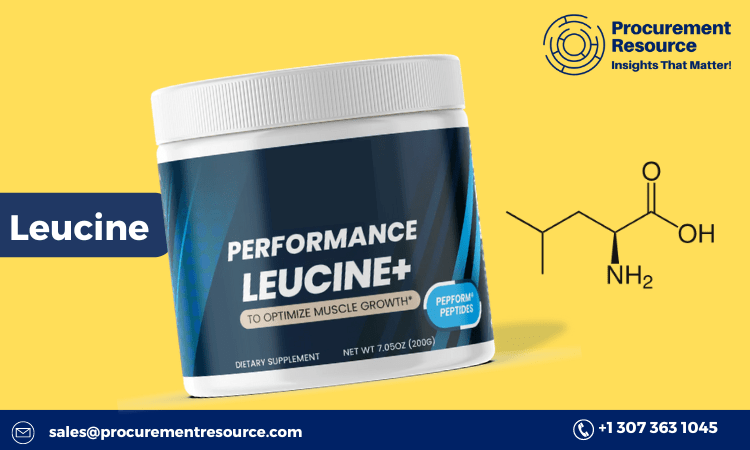
Leucine Production Cost: A Comprehensive Analysis

Leucine is one of the nine essential amino acids, playing a crucial role in protein synthesis and muscle repair. As a dietary supplement, leucine is widely used by athletes and bodybuilders to enhance muscle growth and recovery. Additionally, leucine has applications in various industries, including pharmaceuticals, food, and cosmetics. The production of leucine, however, involves complex processes that contribute to its overall cost. Understanding the factors influencing leucine production cost is vital for manufacturers, investors, and stakeholders aiming to optimize production, manage pricing strategies, and maintain profitability.

This article explores the detailed aspects of leucine production, including raw material costs, production methods, energy consumption, labor, packaging, transportation, and regulatory compliance. Furthermore, it discusses potential strategies for cost optimization to ensure efficient production without compromising quality.

1. Overview of Leucine Production

Leucine can be produced through several methods, including chemical synthesis, extraction from protein-rich sources, and microbial fermentation. Each method has its unique process, advantages, and cost implications.

  • Chemical Synthesis: This method involves the chemical reaction of various precursors to produce leucine. While it offers high yields, chemical synthesis can be expensive due to the cost of raw materials and the need for precise reaction conditions.
  • Protein Extraction: Leucine can be extracted from protein-rich sources such as soybeans, corn, or animal products. This method is often used in food and supplement industries, where the extracted leucine is isolated and purified for use in various products.
  • Microbial Fermentation: This is the most commonly used method for commercial leucine production. It involves the fermentation of glucose or other carbon sources by genetically engineered bacteria or yeast strains that produce leucine as a byproduct. The leucine is then extracted, purified, and processed into a usable form.

Request For Free Sample: https://www.procurementresource.com/production-cost-report-store/leucine/request-sample

2. Factors Influencing Leucine Production Cost

Several factors contribute to the overall cost of producing leucine, including the cost of raw materials, energy consumption, labor, equipment maintenance, packaging, transportation, and compliance with regulatory standards.

a. Raw Material Costs

The cost of raw materials is a significant component of leucine production. Depending on the production method, raw materials can include glucose, soybeans, corn, or various chemical precursors. The price of these raw materials can fluctuate based on market conditions, availability, and quality.

In microbial fermentation, glucose or other carbon sources are essential for feeding the bacteria or yeast strains that produce leucine. The cost of these carbon sources can vary based on factors such as agricultural yields, energy prices, and demand from other industries. Additionally, the cost of maintaining genetically engineered strains and the nutrients required for their growth also contribute to the overall raw material costs.

For chemical synthesis, the cost of chemical precursors and reagents used in the reaction process can be high, especially if the synthesis requires rare or expensive chemicals. Moreover, the purity and quality of these chemicals can impact the efficiency of the synthesis and the final yield of leucine.

b. Energy Consumption

Energy consumption is another critical factor in leucine production, particularly in processes like microbial fermentation and chemical synthesis. These processes often require precise temperature control, agitation, and aeration, all of which consume significant amounts of energy.

In microbial fermentation, maintaining optimal growth conditions for the bacteria or yeast strains is crucial for maximizing leucine production. This requires continuous energy input for heating, cooling, and mixing the fermentation broth. The cost of energy can vary depending on the location of the production facility and the efficiency of the equipment used.

In chemical synthesis, energy is required for driving the chemical reactions, maintaining reaction conditions, and purifying the final product. High energy costs can significantly impact the overall production cost, making energy efficiency an important consideration for manufacturers.

c. Labor Costs

Labor costs are an essential component of leucine production, particularly in facilities that rely on skilled workers to operate and monitor complex production processes. The level of labor required can vary depending on the production method, the degree of automation, and the expertise needed to manage the production process.

In microbial fermentation, skilled workers are required to monitor the fermentation process, adjust conditions as needed, and ensure that the bacteria or yeast strains are producing leucine efficiently. Additionally, labor is needed for downstream processing, including extraction, purification, and quality control.

In chemical synthesis, labor is required for setting up and maintaining reaction equipment, monitoring the synthesis process, and ensuring the purity and quality of the final product. The cost of labor can vary depending on the region, the level of expertise required, and the degree of automation in the production facility.

d. Equipment and Maintenance Costs

The equipment used in leucine production, such as fermenters, reactors, and purification systems, represents a significant capital investment. The cost of purchasing, installing, and maintaining this equipment can be substantial, especially if the machinery is highly specialized or requires frequent maintenance.

In microbial fermentation, fermenters and bioreactors are essential for growing the bacteria or yeast strains that produce leucine. These systems must be carefully maintained to prevent contamination and ensure optimal production conditions. Regular maintenance is crucial to avoid costly breakdowns and production delays.

In chemical synthesis, reactors and purification systems are used to carry out the chemical reactions and isolate the final product. The cost of maintaining this equipment, including regular cleaning and calibration, is an important consideration for manufacturers.

e. Packaging Costs

Packaging is an essential component of leucine production, particularly for products intended for the food and supplement industries. The final product must be packaged in a way that protects it from moisture, air, and light to preserve its quality and shelf life.

Packaging materials, such as plastic containers, foil pouches, or glass bottles, add to the overall production cost. Additionally, the packaging process may require specialized equipment and labor, further increasing costs. The choice of packaging can significantly impact the cost, with more durable or aesthetically pleasing options generally being more expensive.

f. Transportation and Logistics

Transportation and logistics costs are also crucial in the overall production cost of leucine. The finished product must be transported from the production facility to distributors, retailers, or directly to consumers. These costs can vary based on the distance, mode of transportation, and fuel prices.

Efficient logistics management is necessary to minimize transportation costs and ensure timely delivery. Manufacturers may need to consider factors such as location, transportation infrastructure, and fuel efficiency when planning their distribution strategy.

g. Regulatory Compliance

Compliance with regulatory standards is mandatory for leucine manufacturers, particularly those producing for the food, supplement, and pharmaceutical industries. Regulatory compliance can add to production costs, as manufacturers must invest in quality control systems, testing, and certification.

In some regions, regulatory requirements may be more stringent, requiring additional investments in facilities, equipment, and personnel to meet these standards. Non-compliance can result in fines, product recalls, and damage to the brand’s reputation, making regulatory adherence a critical aspect of production.

3. Cost Optimization Strategies

Given the various factors influencing leucine production costs, manufacturers must adopt strategies to optimize expenses while maintaining product quality. Here are some cost-saving measures:

a. Energy Efficiency Improvements

Investing in energy-efficient equipment and processes can lead to significant cost savings in leucine production. For example, manufacturers can upgrade to more energy-efficient fermenters, reactors, or purification systems to reduce energy consumption.

Additionally, optimizing production schedules to minimize energy use during peak hours or leveraging renewable energy sources can further reduce energy costs.

b. Sourcing and Supply Chain Optimization

Strategic sourcing of raw materials is essential for controlling production costs. Manufacturers can negotiate better prices with suppliers, purchase in bulk, or source from regions with lower costs to reduce raw material expenses.

Improving supply chain efficiency, such as reducing lead times or optimizing inventory management, can also help lower costs. Collaborating with suppliers to ensure a stable supply of high-quality raw materials can prevent disruptions and cost fluctuations.

Contact Us:

Company Name: Procurement Resource

Contact Person: Leo Frank

Email: sales@procurementresource.com

Toll-Free Number: USA & Canada — Phone no: +1 307 363 1045 | UK — Phone no: +44 7537 132103 | Asia-Pacific (APAC) — Phone no: +91 1203185500

Address: 30 North Gould Street, Sheridan, WY 82801, USA
Comprehensive Memantine Production Cost Report: Analysis and Insights

Memantine, a vital medication in the treatment of Alzheimer’s disease, has gained significant attention due to its effectiveness in managing symptoms associated with cognitive decline. Understanding the production cost of memantine is crucial for pharmaceutical companies, healthcare providers, and stakeholders in the medical industry. This blog delves into the various factors contributing to the cost of Memantine production, including the production process, raw material costs, and the latest news impacting the market.

Production Process

The production process of memantine involves several critical steps, each contributing to the overall cost. Memantine is synthesized through a multi-step chemical process, starting with the reaction of 1-bromo-3,5-dimethyladamantane with ammonia. This reaction forms the intermediate product, 1-amino-3,5-dimethyladamantane, which is then further processed to produce Memantine.

Request For Sample: https://www.procurementresource.com/production-cost-report-store/memantine-namenda/request-sample

  1. Chemical Synthesis: The synthesis of Memantine begins with the preparation of the adamantane core structure, a complex chemical compound. This involves the bromination of adamantane, followed by a nucleophilic substitution reaction with ammonia. The process requires precise control of temperature, pressure, and reaction time to achieve the desired yield and purity.
  2. Purification: After the initial synthesis, the product undergoes purification to remove impurities and by-products. This step typically involves crystallization or recrystallization, where the Memantine crystals are separated from the solution and further purified.
  3. Formulation: Once the pure Memantine is obtained, it is formulated into the final dosage form, such as tablets or capsules. This step involves mixing the active pharmaceutical ingredient (API) with excipients, followed by granulation, compression, and coating to produce the finished product.
  4. Quality Control: Throughout the production process, rigorous quality control measures are implemented to ensure that the Memantine produced meets the required standards of purity, potency, and safety. This includes testing for impurities, dissolution rates, and stability.

Manufacturing Report and Process

The manufacturing process of Memantine is a complex and highly regulated procedure. Pharmaceutical companies must adhere to stringent guidelines set by regulatory bodies such as the U.S. Food and Drug Administration (FDA) and the European Medicines Agency (EMA). These guidelines ensure that the production of Memantine is consistent, safe, and effective.

  1. Regulatory Compliance: Before the production of Memantine can begin, pharmaceutical companies must obtain approval from regulatory authorities. This involves submitting detailed documentation of the manufacturing process, including the synthesis route, quality control procedures, and stability data. Once approved, the company must adhere to Good Manufacturing Practices (GMP) to ensure that the production process remains compliant with regulatory standards.
  2. Batch Production: Memantine is typically produced in batches, with each batch undergoing a series of quality control tests before it is released to the market. The batch production process allows for better control over the quality and consistency of the product, as any deviations from the standard can be identified and corrected.
  3. Scale-Up Process: Scaling up the production of Memantine from laboratory-scale to commercial-scale presents several challenges. Companies must optimize the synthesis route to ensure that it is cost-effective and scalable, while maintaining the quality and purity of the product. This may involve modifying reaction conditions, selecting suitable solvents, and optimizing purification methods.
  4. Cost Optimization: To reduce the production cost of Memantine, pharmaceutical companies may explore various cost-saving strategies. This could include optimizing the yield of the synthesis process, reducing waste, and improving the efficiency of the purification and formulation steps. Additionally, companies may explore sourcing raw materials from cost-effective suppliers without compromising on quality.

Raw Material Costs

The cost of raw materials is a significant factor in the overall production cost of Memantine. The primary raw materials used in the synthesis of Memantine include adamantane, ammonia, and bromine. The price and availability of these raw materials can fluctuate based on market conditions, affecting the cost of production.

  1. Adamantane: Adamantane is a key starting material in the synthesis of Memantine. The cost of adamantane can vary depending on factors such as demand, supply chain disruptions, and the availability of alternative sources. Additionally, the purity of adamantane required for pharmaceutical use can influence its cost, as higher purity grades are typically more expensive.
  2. Ammonia: Ammonia is used in the nucleophilic substitution reaction with 1-bromo-3,5-dimethyladamantane to produce the intermediate product. The cost of ammonia is generally stable, but any fluctuations in the global supply chain or changes in production methods can impact its price.
  3. Bromine: Bromine is another essential raw material used in the bromination of adamantane. The cost of bromine can be influenced by factors such as environmental regulations, mining activities, and geopolitical events. As bromine is also used in various other industries, competition for this resource can drive up its price.
  4. Excipients: In addition to the active pharmaceutical ingredient, excipients such as binders, fillers, and coatings are used in the formulation of Memantine tablets or capsules. The cost of excipients can vary based on the type, quality, and supplier. Pharmaceutical companies may choose to source excipients from different suppliers to optimize costs.

Latest News

The production and market dynamics of Memantine are influenced by various factors, including regulatory changes, technological advancements, and market demand. Staying updated on the latest news and trends in the pharmaceutical industry is essential for understanding the factors that can impact the production cost of Memantine.

  1. Regulatory Updates: Recent regulatory changes, such as updates to GMP guidelines or new requirements for active pharmaceutical ingredients, can impact the production cost of Memantine. Pharmaceutical companies must stay informed of these changes to ensure compliance and avoid potential delays or additional costs.
  2. Technological Advancements: Advances in pharmaceutical manufacturing technology, such as continuous manufacturing and process automation, have the potential to reduce the production cost of Memantine. Companies that invest in these technologies may benefit from increased efficiency, reduced waste, and lower labor costs.
  3. Market Demand: The demand for Memantine is influenced by factors such as the prevalence of Alzheimer’s disease, the availability of alternative treatments, and the pricing strategies of pharmaceutical companies. Changes in market demand can affect production volumes and, consequently, the cost of production.
  4. Supply Chain Disruptions: Global events, such as the COVID-19 pandemic, have highlighted the vulnerabilities in pharmaceutical supply chains. Disruptions in the supply of raw materials or manufacturing components can lead to increased production costs and delays in the production of Memantine.

Contact Us:
Company Name: Procurement Resource
Contact Person: Endru Smith
Email: sales@procurementresource.com
Toll-Free Number: USA & Canada - Phone no: +1 307 363 1045 | UK - Phone no: +44 7537 132103 | Asia-Pacific (APAC) - Phone no: +91 1203185500
Address: 30 North Gould Street, Sheridan, WY 82801, USA
Website: https://www.procurementresource.com/

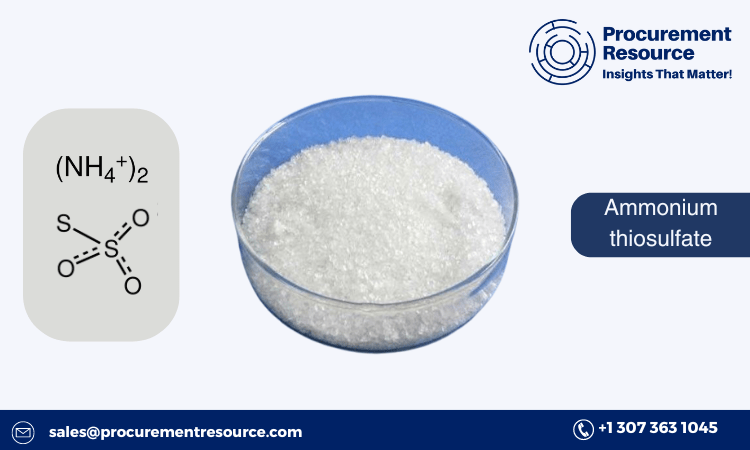
Ammonium Thiosulfate Production Cost: An In-Depth Analysis

Ammonium thiosulfate (ATS) is a widely used chemical compound with diverse applications, ranging from agriculture to photography and industrial processes. As a result, understanding the production cost of ammonium thiosulfate is crucial for manufacturers, investors, and other stakeholders in the chemical industry. The Ammonium thiosulfate production cost significantly impacts its market price, profitability, and competitiveness within various sectors. This article provides an in-depth analysis of ammonium thiosulfate production costs, exploring the production process, factors influencing costs, cost analysis, and strategies for cost optimization.

Industrial Applications of Ammonium Thiosulfate

Ammonium thiosulfate is valued for its versatility and effectiveness in various applications, making it a significant chemical in multiple industries.

  1. Agriculture ATS is predominantly used as a fertilizer in agriculture. It serves as a source of sulfur and nitrogen, essential nutrients for plant growth. Farmers apply ammonium thiosulfate to improve crop yields and enhance soil health. Its ability to act as a sulfur supplement is particularly beneficial for sulfur-deficient soils, making it a popular choice among agricultural professionals.
  2. Photography In photography, ammonium thiosulfate is used as a fixer in photographic development. It plays a critical role in stabilizing images by dissolving unexposed silver halide crystals, preventing them from further reacting to light. Although digital photography has largely replaced traditional film photography, ATS remains relevant in niche applications and archival processes.
  3. Industrial Uses Beyond agriculture and photography, ammonium thiosulfate has several industrial applications. It is used in the mining industry for gold leaching, as it helps dissolve gold from ore. Additionally, ATS is employed in wastewater treatment processes to neutralize chlorine and reduce its harmful effects on the environment.

Request For Free Sample: https://www.procurementresource.com/production-cost-report-store/ammonium-thiosulfate/request-sample

Production Process of Ammonium Thiosulfate

Understanding the production process of ammonium thiosulfate is essential to grasp the factors that contribute to its production cost. The production of ATS involves several chemical reactions, raw materials, and specific production techniques.

  1. Raw Materials Required The primary raw materials used in the production of ammonium thiosulfate include ammonium sulfate, sulfur, and ammonia. These materials are readily available in the chemical industry, but their prices can fluctuate based on market conditions, affecting the overall production cost of ATS.
  2. Production Methods The production of ammonium thiosulfate typically involves the reaction of ammonium sulfate with sulfur dioxide and elemental sulfur in the presence of ammonia. The chemical reactions can be summarized as follows:
    • Ammonium sulfate + Sulfur dioxide + Sulfur + Ammonia → Ammonium thiosulfate + Water
    The reaction occurs in a controlled environment, often within a reactor vessel, where temperature, pressure, and reactant concentrations are carefully monitored to optimize yield and efficiency. The resulting ammonium thiosulfate solution is then purified and concentrated before being packaged and distributed.
  3. Technology and Innovation in Production Advances in production technology have significantly impacted the efficiency and cost-effectiveness of ammonium thiosulfate production. Automation, process control systems, and continuous production methods have reduced labor costs and improved the consistency of product quality. Additionally, innovations in raw material sourcing and waste management have contributed to cost savings and sustainability in the production process.

Factors Influencing Ammonium Thiosulfate Production Costs

Several factors influence the production cost of ammonium thiosulfate, including the cost of raw materials, energy consumption, labor, overhead expenses, scale of production, and transportation logistics.

  1. Raw Material Costs The cost of raw materials, such as ammonium sulfate, sulfur, and ammonia, plays a significant role in determining the production cost of ATS. Fluctuations in the prices of these raw materials can have a direct impact on the overall cost structure. For instance, an increase in sulfur prices due to supply chain disruptions or changes in global demand can lead to higher production costs for ammonium thiosulfate manufacturers.
  2. Energy and Utilities Energy consumption is another critical factor in the production of ammonium thiosulfate. The production process involves heating, cooling, and maintaining specific reaction conditions, all of which require energy. The cost of electricity, natural gas, and other utilities can vary depending on the location of the production facility and the efficiency of the energy management systems in place. Energy costs can constitute a significant portion of the total production cost, especially in regions with high energy prices.
  3. Labor and Overhead Labor costs associated with the production of ammonium thiosulfate include wages, benefits, and other expenses related to the workforce. In addition to direct labor costs, overhead expenses such as maintenance, safety compliance, and regulatory requirements also contribute to the overall production cost. The extent of automation and process optimization in a production facility can influence labor costs, with higher levels of automation typically leading to reduced labor expenses.
  4. Scale of Production The scale of production has a direct impact on the cost per unit of ammonium thiosulfate. Larger production volumes allow for economies of scale, where fixed costs are spread over a greater number of units, resulting in lower cost per unit. Conversely, small-scale production facilities may face higher per-unit costs due to the inability to fully capitalize on economies of scale.
  5. Transportation and Logistics The cost of transporting raw materials to the production facility and distributing finished ammonium thiosulfate to customers can also influence the production cost. Transportation costs can be affected by factors such as fuel prices, distance, and the availability of efficient logistics networks. In some cases, transportation costs may be a significant consideration, especially for facilities located far from raw material sources or end markets.

Detailed Cost Analysis of Ammonium Thiosulfate Production

Conducting a detailed cost analysis of ammonium thiosulfate production involves examining both fixed and variable costs, estimating costs using various techniques, and comparing the cost structure with other chemicals.

  1. Fixed vs. Variable Costs Fixed costs in ammonium thiosulfate production include expenses that remain constant regardless of the production volume. These may include the cost of equipment, facility maintenance, and certain administrative expenses. Variable costs, on the other hand, fluctuate with production volume and include raw materials, energy, and labor. A comprehensive cost analysis should differentiate between fixed and variable costs to provide a clear understanding of the cost structure.
  2. Cost Estimation Techniques Various techniques can be used to estimate the production cost of ammonium thiosulfate. These may include cost modeling, where mathematical models are used to simulate the production process and calculate costs based on input parameters. Another approach is cost benchmarking, where the production costs are compared with industry averages or costs reported by competitors. Accurate cost estimation is essential for setting competitive pricing and ensuring profitability.
  3. Comparison with Other Chemicals Comparing the production cost of ammonium thiosulfate with other chemicals can provide valuable insights into its competitiveness within the chemical industry. For example, comparing the cost of producing ATS with that of other sulfur-containing fertilizers can help manufacturers understand their position in the market and identify potential cost-saving opportunities.

Strategies for Cost Optimization

Optimizing production costs is crucial for maintaining profitability and competitiveness in the ammonium thiosulfate market. Several strategies can be employed to achieve cost optimization, including efficient use of raw materials, energy efficiency, automation, and economies of scale.

  1. Efficient Use of Raw Materials Reducing waste and improving the yield of raw materials are essential strategies for cost optimization. By implementing more precise measurement and control systems, manufacturers can minimize the loss of raw materials during production and increase the efficiency of chemical reactions. Additionally, sourcing high-quality raw materials at competitive prices can further reduce production costs.
  2. Energy Efficiency Energy efficiency measures can lead to significant cost savings in ammonium thiosulfate production. Manufacturers can invest in energy-efficient equipment, optimize process conditions, and implement energy management systems to reduce energy consumption. Additionally, the use of renewable energy sources, such as solar or wind power, can help mitigate the impact of fluctuating energy prices and reduce the carbon footprint of the production process.
  3. Automation and Process Optimization Automation plays a critical role in reducing labor costs and improving production efficiency. By automating repetitive tasks and using advanced process control systems, manufacturers can reduce the need for manual labor and minimize the risk of human error. Process optimization, including the use of advanced analytics and simulation tools, can also help identify inefficiencies and areas for improvement in the production process.
  4. Economies of Scale Achieving economies of scale is a key strategy for reducing the cost per unit of ammonium thiosulfate. By increasing production volume, manufacturers can spread fixed costs over a larger number of units, resulting in lower per-unit costs. Expanding production capacity and optimizing supply chain management can further enhance economies of scale and improve cost competitiveness.

Market Dynamics and Cost Impact

The production cost of ammonium thiosulfate is influenced by various market dynamics, including global trends, regulatory policies, and supply chain considerations.

  1. Global Market Trends Global market trends, such as changes in demand for sulfur-containing fertilizers and shifts in agricultural practices, can have a significant impact on the production cost of ammonium thiosulfate. For example, an increase in demand for sustainable agricultural practices may drive up the demand for ATS, potentially leading to higher raw material costs and production expenses.
  2. Impact of Regulatory Policies Environmental regulations and safety standards can influence the production cost of ammonium thiosulfate. Compliance with these regulations often requires investments in safety equipment, waste management systems, and environmental monitoring, all of which contribute to the overall production cost. Additionally, changes in regulations, such as stricter emissions standards, may necessitate process modifications and further increase costs.

Contact Us:

Company Name: Procurement Resource

Contact Person: Leo Frank

Email: sales@procurementresource.com

Toll-Free Number: USA & Canada — Phone no: +1 307 363 1045 | UK — Phone no: +44 7537 132103 | Asia-Pacific (APAC) — Phone no: +91 1203185500

Address: 30 North Gould Street, Sheridan, WY 82801, USA
The True Cost of Phenytoin Production: Insights from Our Latest Report

Phenytoin is a widely used anticonvulsant medication prescribed primarily for the management of epilepsy. The cost of producing phenytoin is influenced by various factors, including the complexity of its synthesis, the quality of raw materials, the scale of production, and the geographical location of manufacturing facilities. Understanding the production cost is crucial for companies involved in the production of generic drugs, as it helps in pricing strategies and managing supply chains efficiently. This report aims to provide a detailed analysis of the costs associated with the production of phenytoin, offering insights into the manufacturing process, raw material expenses, and recent market dynamics.

Production Process

The production of phenytoin involves a complex chemical synthesis process. The most common method is the urea method, which involves the reaction of urea with benzil, resulting in the formation of phenytoin. This process must be carried out under specific conditions to ensure the purity and efficacy of the drug. The key steps in the production process include:

Request For Sample: https://www.procurementresource.com/production-cost-report-store/phenytoin/request-sample

  1. Synthesis: Benzil is reacted with urea in an acidic medium to form phenytoin.
  2. Crystallization: The crude product is crystallized to improve its purity.
  3. Filtration and Drying: The crystallized product is filtered and dried to obtain the final powdered form of phenytoin.

Each step requires precise control of reaction temperatures, pH levels, and other environmental factors, which can significantly impact the yield and quality of the final product.

Manufacturing Report and Process

Manufacturing phenytoin is a delicate balance of chemical engineering and cost management. The process requires a well-designed facility that complies with global pharmaceutical standards, such as GMP (Good Manufacturing Practice). Essential elements of a comprehensive manufacturing report include:

  • Capacity Utilization: Information on how effectively the production capacity is being used and the potential for scale-up.
  • Technology and Equipment: Details on the technology and equipment used, which can affect both the efficiency of production and the quality of the final product.
  • Quality Control: A crucial aspect that involves rigorous testing at various stages of production to ensure the product meets the required standards.
  • Waste Management: Strategies for managing by-products and wastes generated during the manufacturing process, which can also affect costs.

Raw Material Costs

The cost of raw materials can vary significantly and is subject to fluctuations in market prices. Key raw materials include:

  • Benzil: The primary precursor in the synthesis of phenytoin.
  • Urea: Another critical input in the production process.
  • Solvents and Catalysts: Various solvents and catalysts used during synthesis and purification.

Securing a stable and cost-effective supply of these materials is vital for maintaining the profitability of phenytoin production. Companies often enter long-term contracts with suppliers to mitigate the risk of price volatility.

Latest News

The phenytoin market is influenced by regulatory changes, patent expirations, and advancements in pharmaceutical technology. Some recent developments include:

  • Regulatory Changes: Updates from regulatory bodies such as the FDA can affect production standards and market approval processes.
  • Market Dynamics: Fluctuations in the demand and supply of phenytoin, influenced by changes in healthcare policies or the emergence of alternative treatments.
  • Technological Advancements: Innovations in synthesis and manufacturing technologies that can reduce costs or improve the environmental footprint of production.

This report provides a comprehensive overview of the phenytoin production process, from raw material costs to manufacturing practices, all of which play a significant role in the economics of phenytoin production. Understanding these factors is essential for stakeholders in the pharmaceutical industry to make informed decisions about production and investment strategies.

Contact Us:
Company Name: Procurement Resource
Contact Person: Endru Smith
Email: sales@procurementresource.com
Toll-Free Number: USA & Canada - Phone no: +1 307 363 1045 | UK - Phone no: +44 7537 132103 | Asia-Pacific (APAC) - Phone no: +91 1203185500
Address: 30 North Gould Street, Sheridan, WY 82801, USA
Website: https://www.procurementresource.com/

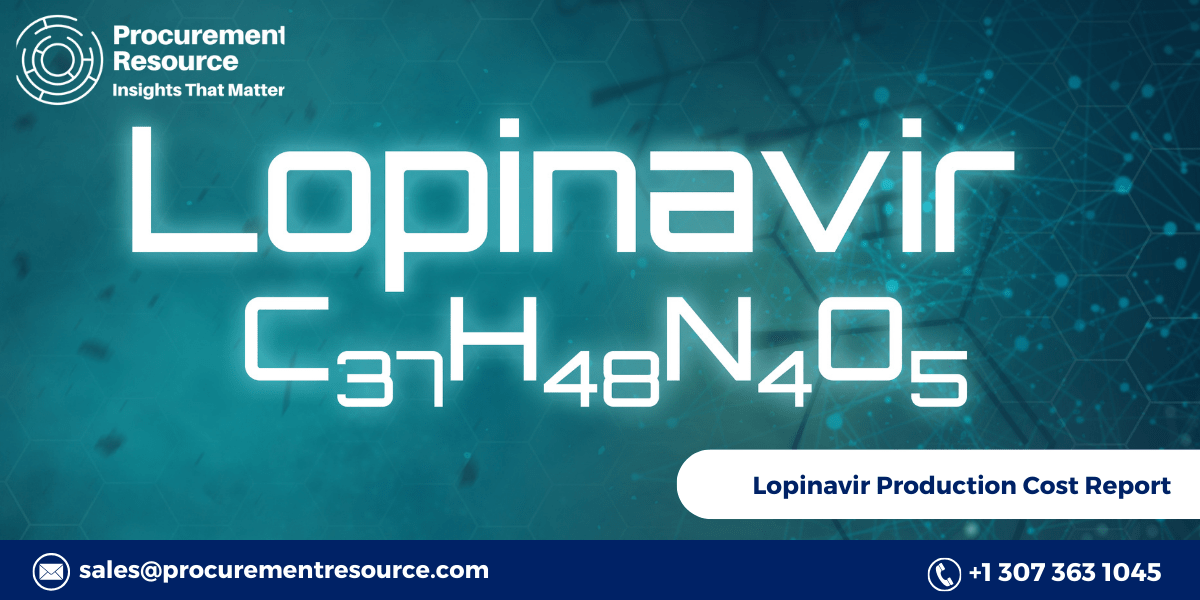
Lopinavir Production Cost Report: An In-Depth Analysis

Lopinavir, a crucial antiretroviral medication used in the treatment of HIV/AIDS, has been at the forefront of global healthcare discussions. The production cost of lopinavir is a significant factor influencing its availability and affordability, especially in low- and middle-income countries where the burden of HIV/AIDS is most prevalent. Understanding the production cost of Lopinavir involves examining the entire manufacturing process, including the raw materials required, the production techniques employed, and the latest advancements in the field. This report provides an in-depth analysis of Lopinavir production costs, offering insights into the factors that drive these costs and the implications for global healthcare.

Production Process

The production of Lopinavir involves a multi-step chemical synthesis process. The active pharmaceutical ingredient (API) of Lopinavir is synthesized through a series of chemical reactions that require precision and high-quality raw materials. The process typically begins with the synthesis of key intermediates, which are then combined through catalytic processes to form Lopinavir.

Request For Sample: https://www.procurementresource.com/production-cost-report-store/lopinavir/request-sample

One of the critical steps in Lopinavir production is the protection and deprotection of functional groups, ensuring that the final product has the desired pharmacological properties. The synthesis process also involves multiple purification stages, including crystallization and filtration, to achieve the required purity levels for pharmaceutical use. The entire production process is conducted under stringent quality control measures to ensure that the final product meets international standards for safety and efficacy.

The complexity of the production process directly impacts the cost of Lopinavir. Each step requires specific reagents, catalysts, and conditions that contribute to the overall production cost. Additionally, the need for specialized equipment and skilled labor further adds to the cost of production.

Manufacturing Report and Process

The manufacturing of Lopinavir is typically carried out in a pharmaceutical-grade facility equipped with state-of-the-art technology. The manufacturing process involves both chemical synthesis and formulation stages, where the active pharmaceutical ingredient is combined with other excipients to create the final dosage form, such as tablets or capsules.

The manufacturing process begins with the large-scale synthesis of Lopinavir in reactors designed to handle the specific chemical reactions involved. The reactors are equipped with advanced monitoring systems to ensure that the reaction conditions, such as temperature and pressure, are maintained within the optimal range. Once the synthesis is complete, the crude product undergoes several purification steps to remove impurities and by-products.

The purified Lopinavir is then formulated into the final dosage form. This involves mixing the API with excipients, which are inactive ingredients that help in the drug’s delivery and stability. The mixture is then compressed into tablets or filled into capsules using high-speed machines. The final product is subjected to rigorous quality testing, including dissolution, potency, and stability tests, to ensure it meets all regulatory requirements.

The manufacturing report also includes a detailed analysis of the production yields at each stage, highlighting areas where process optimization could reduce costs. By identifying steps in the manufacturing process that could be streamlined or improved, pharmaceutical companies can potentially lower the overall production cost of Lopinavir.

Raw Material Costs

The cost of raw materials is a major component of the overall production cost of Lopinavir. The synthesis of Lopinavir requires several chemical reagents, solvents, and catalysts, each contributing to the cost structure. The prices of these raw materials can fluctuate based on market conditions, availability, and the scale of production.

Key raw materials used in Lopinavir production include organic chemicals such as amines, acids, and alcohols. The cost of these chemicals is influenced by factors such as global supply chains, the cost of crude oil (a base for many organic chemicals), and geopolitical factors that may affect the availability of raw materials. Additionally, the procurement of high-purity reagents required for pharmaceutical-grade production can be more expensive, further driving up the production costs.

Pharmaceutical companies often seek to negotiate bulk purchasing agreements with suppliers to reduce the cost of raw materials. However, fluctuations in the market can still lead to variability in production costs. The cost of catalysts and solvents, which are typically used in large quantities during the synthesis process, also plays a significant role in the overall cost structure.

Understanding the cost dynamics of raw materials is crucial for pharmaceutical companies, as it allows them to better predict production costs and set pricing strategies for the final product. By optimizing the use of raw materials and exploring alternative suppliers, companies can reduce the impact of raw material costs on the overall production expense.

Latest News

Recent developments in the pharmaceutical industry have brought attention to the production costs of essential medications like Lopinavir. Advances in chemical synthesis techniques and the adoption of green chemistry practices are among the latest trends that could potentially reduce production costs.

Green chemistry, which focuses on minimizing waste and using environmentally friendly processes, is gaining traction in the pharmaceutical industry. For Lopinavir production, this could mean the development of more efficient synthesis routes that reduce the need for expensive and hazardous chemicals. Additionally, the use of biocatalysts, which are enzymes that can catalyze chemical reactions under mild conditions, is being explored as a way to lower production costs and improve sustainability.

Another significant development is the increased focus on local manufacturing of essential medicines in low- and middle-income countries. Governments and international organizations are investing in the establishment of pharmaceutical manufacturing facilities in these regions to reduce dependency on imports and make essential medicines like Lopinavir more affordable and accessible. This shift towards local production could also lead to cost reductions by eliminating transportation and import duties.

In the context of the COVID-19 pandemic, Lopinavir gained attention as a potential treatment option, leading to a surge in demand. Although subsequent studies did not support its efficacy against COVID-19, the increased focus on Lopinavir production highlighted the need for efficient and cost-effective manufacturing processes. Pharmaceutical companies are now more than ever looking to streamline production and reduce costs to ensure that essential medicines remain accessible to those in need.

Contact Us:

Company Name: Procurement Resource
Contact Person: Endru Smith
Email: sales@procurementresource.com
Toll-Free Number: USA & Canada - Phone no: +1 307 363 1045 | UK - Phone no: +44 7537 132103 | Asia-Pacific (APAC) - Phone no: +91 1203185500
Address: 30 North Gould Street, Sheridan, WY 82801, USA
Website: https://www.procurementresource.com/

Lysozyme Production Cost: A Comprehensive Analysis

Lysozyme is a naturally occurring enzyme found in various bodily secretions, such as saliva, tears, and mucus. It plays a crucial role in the body’s immune response by breaking down the cell walls of certain bacteria, thereby preventing infections. Lysozyme is also widely used in the food industry, pharmaceuticals, and biotechnology for its antimicrobial properties. Understanding the Lysozyme Production Cost is vital for manufacturers, researchers, and stakeholders in these industries. This article provides an in-depth analysis of the factors affecting lysozyme production costs, the various production methods, and the economic and market dynamics that influence the pricing of this valuable enzyme.

Overview of Lysozyme

What is Lysozyme?

Lysozyme is an enzyme that catalyzes the hydrolysis of the polysaccharides in bacterial cell walls, leading to the lysis of the bacteria. It was first discovered by Alexander Fleming in 1922 and has since been recognized for its antibacterial properties. In addition to its natural occurrence in bodily fluids, lysozyme is also found in egg whites, where it plays a protective role against bacterial contamination.

Applications of Lysozyme

Lysozyme’s applications are diverse, spanning several industries:

  1. Food Industry: Lysozyme is used as a preservative in various food products, such as cheese and wine, to prevent spoilage by bacteria.
  2. Pharmaceuticals: It is used in the formulation of drugs to treat infections and in the preservation of biological samples.
  3. Biotechnology: Lysozyme is used in molecular biology to prepare bacterial cell lysates, enabling the extraction of DNA, RNA, and proteins.

Request For Free Sample: https://www.procurementresource.com/production-cost-report-store/lysozyme/request-sample

Factors Influencing Lysozyme Production Costs

The production cost of lysozyme is influenced by various factors, including raw material costs, production methods, labor, energy consumption, and market dynamics.

1. Raw Material Costs

Raw materials are a significant component of the overall production cost of lysozyme. The primary sources of lysozyme are egg whites and genetically engineered microorganisms.

  • Egg Whites: Traditional lysozyme production involves the extraction of the enzyme from egg whites. The cost of egg whites, influenced by the price of eggs, significantly impacts the cost of lysozyme production. Factors such as feed prices, poultry farming conditions, and global demand for eggs affect egg prices.
  • Genetically Engineered Microorganisms: With advancements in biotechnology, lysozyme can now be produced using genetically engineered bacteria or yeast. The cost of these microorganisms, along with the necessary growth media, chemicals, and nutrients required for fermentation, contributes to the overall production cost.

2. Production Methods

The method of lysozyme production plays a crucial role in determining the overall cost. There are two main production methods:

  • Extraction from Egg Whites: This traditional method involves the isolation and purification of lysozyme from egg whites. The process includes several steps such as homogenization, centrifugation, filtration, and chromatography. Each of these steps incurs costs related to equipment, reagents, and labor.
  • Recombinant Production: Recombinant DNA technology allows for the production of lysozyme using genetically modified microorganisms. This method involves cloning the lysozyme gene into a host organism, such as E. coli or yeast, followed by fermentation, expression, and purification of the enzyme. While the initial setup and development costs are high, recombinant production can be more cost-effective in the long run due to higher yields and scalability.

3. Labor Costs

Labor costs are another significant factor in lysozyme production. The level of automation in the production process, the skill level required for various tasks, and regional labor market conditions all influence labor costs.

  • Skilled Labor: The production of lysozyme, especially through recombinant methods, requires skilled personnel with expertise in molecular biology, microbiology, and biochemical engineering. The cost of employing such personnel varies by region and the level of expertise required.
  • Automation: The degree of automation in the production process can reduce labor costs by minimizing the need for manual intervention. However, the initial investment in automation technology can be substantial.

4. Energy Consumption

Energy consumption is a critical factor in lysozyme production, particularly in processes that require heating, cooling, and mechanical operations.

  • Extraction Process: The extraction of lysozyme from egg whites involves energy-intensive steps such as centrifugation, filtration, and chromatography. The cost of electricity and other forms of energy required for these processes contributes to the overall production cost.
  • Fermentation: In recombinant production, the fermentation process is energy-intensive, requiring controlled environmental conditions, such as temperature and aeration, which consume significant amounts of energy.

5. Equipment and Maintenance Costs

The equipment used in lysozyme production, including fermenters, centrifuges, filtration units, and chromatography systems, represents a significant capital investment.

  • Initial Investment: The cost of purchasing and installing production equipment is a major component of the overall production cost. High-quality, durable equipment is essential for maintaining product consistency and quality.
  • Maintenance: Regular maintenance of equipment is necessary to ensure optimal performance and prevent downtime. Maintenance costs include the cost of spare parts, labor, and any potential production losses during maintenance activities.

6. Purification and Quality Control

The purification of lysozyme is a critical step in the production process, ensuring that the final product meets the required quality standards.

  • Chromatography and Filtration: Purification typically involves techniques such as chromatography and filtration, which can be expensive due to the cost of reagents, membranes, and columns. The efficiency of these processes directly impacts the yield and cost of production.
  • Quality Control: Rigorous quality control measures are necessary to ensure that the lysozyme produced is free from contaminants and meets regulatory standards. The cost of quality control includes laboratory testing, equipment, and personnel.

7. Regulatory Compliance

Compliance with regulatory standards is essential for lysozyme production, particularly for pharmaceutical and food applications.

  • GMP Compliance: Good Manufacturing Practices (GMP) are required for the production of lysozyme used in pharmaceuticals. Compliance with GMP involves additional costs related to documentation, validation, and facility requirements.
  • Food Safety Regulations: In the food industry, lysozyme must meet specific safety standards, which may require additional testing and documentation. Compliance with food safety regulations adds to the overall production cost.

8. Market Dynamics

The market for lysozyme is influenced by global demand, competition, and pricing strategies.

  • Global Demand: The demand for lysozyme is driven by its applications in the food, pharmaceutical, and biotechnology industries. An increase in demand for natural preservatives, antimicrobial agents, and biotechnological research drives up the demand for lysozyme, potentially leading to higher prices.
  • Competition: The market for lysozyme is competitive, with several manufacturers offering similar products. Competitive pricing strategies, production efficiency, and product differentiation are key factors influencing the market price.
  • Supply Chain and Logistics: The cost of transporting raw materials to production facilities and distributing the final product to customers adds to the overall production cost. Supply chain disruptions, such as those caused by global events or natural disasters, can lead to price fluctuations.

Recent Trends in Lysozyme Production Costs

In recent years, lysozyme production costs have been influenced by several factors:

1. Advancements in Biotechnology

The development of recombinant DNA technology has significantly impacted lysozyme production costs. Recombinant production methods have improved yields and reduced reliance on traditional egg white extraction, leading to cost savings over time. Additionally, advancements in fermentation technology and purification processes have further enhanced production efficiency.

2. Increasing Demand for Natural Preservatives

There has been a growing demand for natural preservatives in the food industry due to consumer preferences for clean-label products. Lysozyme, as a natural antimicrobial agent, has seen increased demand, leading to higher production volumes and potentially lower costs per unit due to economies of scale.

3. Impact of the COVID-19 Pandemic

The COVID-19 pandemic has affected global supply chains, leading to disruptions in the availability of raw materials and increased transportation costs. These disruptions have impacted the production cost of lysozyme, particularly for manufacturers relying on imported raw materials. Additionally, the increased demand for antimicrobial agents during the pandemic has driven up demand for lysozyme.

4. Environmental and Sustainability Considerations

There is a growing emphasis on sustainable production practices in the biotechnology industry. This has led to investments in environmentally friendly processes and the use of renewable raw materials. While these practices may initially increase production costs, they are likely to result in long-term benefits through reduced environmental impact and improved market positioning.

Outlook for Lysozyme Production Costs

Looking ahead, several factors are expected to influence the production cost of lysozyme:

1. Technological Advancements

Continued advancements in biotechnology, particularly in the areas of gene editing, synthetic biology, and process automation, are expected to further reduce the cost of lysozyme production. These technologies have the potential to increase yields, reduce energy consumption, and streamline purification processes, leading to lower production costs.

2. Regulatory Changes

Changes in regulatory requirements, particularly in the food and pharmaceutical industries, could impact the production cost of lysozyme. Stricter regulations may require additional testing, documentation, and quality control measures, increasing production costs. Conversely, regulatory harmonization and the adoption of international standards could reduce compliance costs.

3. Market Expansion

The global market for lysozyme is expected to grow, driven by increasing demand for natural antimicrobial agents in the food and pharmaceutical industries. Market expansion into emerging economies could lead to increased production volumes and economies of scale, potentially reducing costs.

Contact Us:

Company Name: Procurement Resource
Contact Person: Leo Frank
Email: sales@procurementresource.com
Toll-Free Number: USA & Canada — Phone no: +1 307 363 1045 | UK — Phone no: +44 7537 132103 | Asia-Pacific (APAC) — Phone no: +91 1203185500
Address: 30 North Gould Street, Sheridan, WY 82801, USA
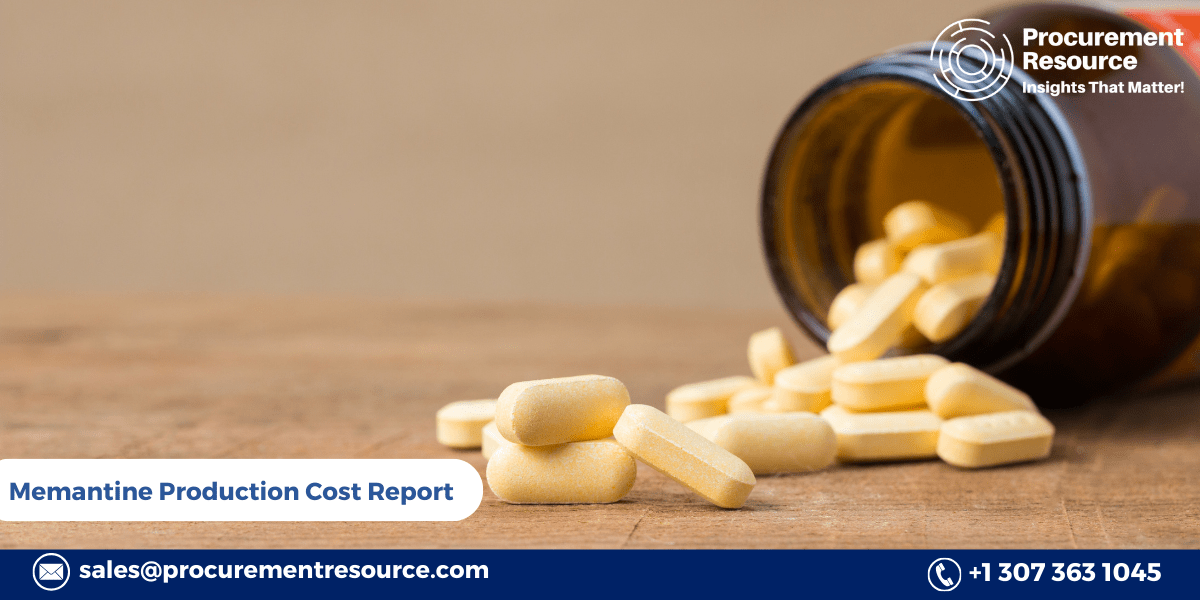
Design a site like this with WordPress.com
Get started