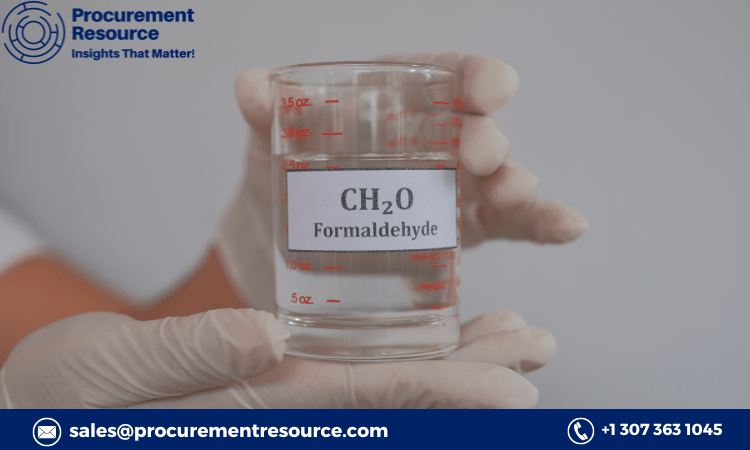
Formaldehyde is a simple organic compound with the formula CH₂O. It is widely used in various industries, including construction, automotive, and healthcare, due to its preservative and disinfectant properties. The production process of formaldehyde primarily involves the oxidation of methanol. Understanding this process is crucial for industries that rely on formaldehyde and for those looking to optimize production methods for efficiency and cost-effectiveness.
Manufacturing Report and Process
The manufacturing of formaldehyde can be carried out through different methods, the most common being the silver catalyst process and the metal oxide catalyst process. Each method has its specific steps and considerations.
- Silver Catalyst Process:
- Step 1: Methanol Vaporization: Methanol is vaporized by heating. This step is critical to ensure that the methanol is in the proper state for subsequent reactions.
- Step 2: Oxidation: The vaporized methanol is mixed with air and passed over a silver catalyst at high temperatures (around 600-650°C). This leads to the partial oxidation of methanol, producing formaldehyde and hydrogen.
- Step 3: Cooling and Absorption: The resulting gas mixture is cooled, and formaldehyde is absorbed in water, forming formalin, which is an aqueous solution of formaldehyde.
- Metal Oxide Catalyst Process:
- Step 1: Methanol Vaporization: Similar to the silver catalyst process, methanol is vaporized.
- Step 2: Catalytic Oxidation: The vaporized methanol is passed over a catalyst, typically composed of iron molybdate, at a temperature range of 250-400°C. This process is highly efficient in converting methanol to formaldehyde.
- Step 3: Absorption: The formaldehyde produced is then absorbed in water to form formalin.
Request For Sample: https://www.procurementresource.com/production-cost-report-store/formaldehyde/request-sample
Raw Material Costs
The primary raw material for formaldehyde production is methanol, which is derived from natural gas. The cost of methanol significantly impacts the overall production cost of formaldehyde. Several factors influence methanol prices, including:
- Natural Gas Prices: Methanol production relies heavily on natural gas. Any fluctuations in natural gas prices directly affect methanol costs. Geopolitical events, natural disasters, and changes in supply and demand can lead to significant price variations.
- Global Methanol Demand: The demand for methanol in other industries, such as fuel, antifreeze, and solvents, can also impact its price. When demand in these sectors rises, methanol prices tend to increase, affecting formaldehyde production costs.
- Transportation Costs: The cost of transporting methanol from production sites to formaldehyde manufacturing plants adds to the raw material cost. Transportation costs can be influenced by fuel prices, shipping regulations, and logistical challenges.
- Market Trends: Market dynamics, such as production capacity, competition among methanol suppliers, and trade policies, play a crucial role in determining methanol prices.
To manage raw material costs effectively, formaldehyde producers often engage in long-term contracts with methanol suppliers, hedge against price fluctuations, and explore alternative sources of methanol.
Latest News
The formaldehyde production industry is continuously evolving, with new developments and trends shaping its future. Here are some of the latest news and trends:
- Sustainability Initiatives: There is a growing emphasis on sustainability in the chemical industry, including formaldehyde production. Companies are exploring eco-friendly methods and technologies to reduce the environmental impact of formaldehyde production. This includes using renewable energy sources, optimizing processes for energy efficiency, and minimizing waste generation.
- Technological Advancements: Advances in catalyst technology are enhancing the efficiency of formaldehyde production. Researchers are developing new catalysts that offer higher conversion rates, longer lifespans, and lower operating temperatures. These advancements not only improve production efficiency but also reduce operational costs.
- Regulatory Changes: Changes in environmental regulations are impacting formaldehyde production practices. Governments worldwide are tightening emission standards and imposing stricter controls on formaldehyde usage due to its potential health hazards. Producers must adapt to these regulations by implementing emission control technologies and ensuring compliance with safety standards.
- Market Growth: The demand for formaldehyde is witnessing steady growth, driven by its applications in various industries. The construction industry, in particular, is a significant consumer of formaldehyde, as it is used in the production of resins, adhesives, and insulating materials. The growth of the construction sector, especially in emerging economies, is boosting formaldehyde demand.
- Research and Development: Ongoing research is focused on finding alternative raw materials for formaldehyde production. Scientists are exploring biomass-derived methanol as a sustainable alternative to natural gas-derived methanol. Additionally, efforts are being made to develop formaldehyde-free resins and adhesives to address health and environmental concerns.
- Global Trade Dynamics: Trade policies and international relations play a crucial role in the formaldehyde market. Tariffs, trade agreements, and geopolitical tensions can impact the supply chain and pricing of methanol and formaldehyde. Keeping abreast of global trade dynamics is essential for producers to navigate market challenges.
Conclusion
Formaldehyde production is a vital process with widespread industrial applications. Understanding the manufacturing process, managing raw material costs, and staying updated with the latest industry news are crucial for stakeholders in the formaldehyde market. As the industry evolves, sustainability, technological advancements, regulatory compliance, and market dynamics will continue to shape the future of formaldehyde production. By adapting to these changes, producers can ensure efficient and cost-effective operations while meeting the growing demand for formaldehyde in various sectors.
 Famous Hindi